Custom Jewelry Manufacturer & Exporter – We Manufacture Any Jewelry Design in Sterling Silver (925), Any Lower Silver Purity, or Base Metal for Fashion Jewelry

The Role of Plating in European Jewellery Trends
4/29/20262 min read
Introduction to Plating in Jewellery
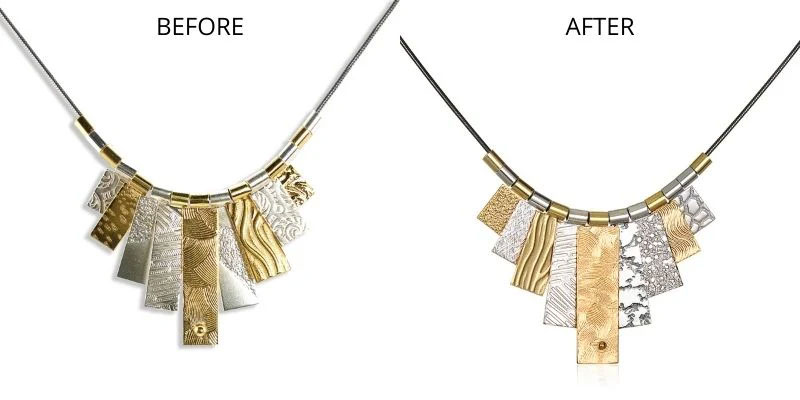
In the realm of European jewellery, the significance of plating materials such as gold and rhodium cannot be overstated. These finishes not only enhance the aesthetic appeal of jewellery pieces but also extend their durability and overall value. This article delves into the evolving role of plating in shaping contemporary jewellery trends across Europe.
The Allure of Gold Plating
Gold plating has long been a staple in the jewellery industry due to its captivating sheen and versatility. As consumer preferences shift towards sustainability, many jewellery designers are now opting for responsibly sourced gold as their primary plating material. This eco-conscious approach resonates deeply with European consumers who increasingly prioritize ethical luxury. Gold plating not only enhances the visual appeal of costume jewellery but also offers an affordable alternative for those who wish to enjoy the elegance of gold without the hefty price tag typically associated with solid gold pieces.
The Rise of Rhodium Plating
Rhodium plating, on the other hand, has gained substantial popularity in the European jewellery market in recent years. Known for its reflective properties and resistance to tarnishing, rhodium provides a brilliant finish that many consumers find appealing. This type of plating is particularly valued in fine jewellery, where durability and brilliance are of utmost priority. As trends shift towards more modern and minimalist styles, rhodium-plated jewellery can often be seen accentuating both classic and contemporary pieces alike.
Impact on Trends and Consumer Choices
The incorporation of gold and rhodium plating has significantly influenced current jewellery trends in Europe. Designers are increasingly layering plated pieces to create unique looks that can be tailored to individual tastes. The aesthetic versatility provided by plating allows for creative expression, catering to a diverse range of consumer preferences—from lavish statement pieces to subdued everyday wear.
Moreover, the ability to mix and match different plated items contributes to the growing trend of personal styling in jewellery. Consumers are empowered to curate their collections, combining various textures, colours, and finishes that suit their personal style, all while remaining budget-conscious.
Conclusion
In conclusion, the role of plating, including gold and rhodium, in European jewellery trends cannot be underestimated. As the jewellery market continues to evolve, the use of these plates not only elevates the aesthetics of jewellery pieces but also aligns with modern values of sustainability and personal expression. With the increasing popularity of plated jewellery, it is clear that these materials will play a vital role in the future of jewellery design across Europe.
AuVia Jewels.com
We crafts unique, custom-designed jewelry
info@AuViaJewels.com
Sales : (+ 91) 94066 85500
© 2026 All rights reserved
Manufacturing Plant: Kolkata (India)
office : (+ 91) 70000 73033




Overseas office: Dusseldorf (Germany)