Custom Jewelry Manufacturer & Exporter – We Manufacture Any Jewelry Design in Sterling Silver (925), Any Lower Silver Purity, or Base Metal for Fashion Jewelry

Oxidised Silver vs High Polish: Market Trends in Europe
4/25/20262 min read
Introduction to Silver Finishes
When it comes to the jewelry market in Europe, consumers are presented with two prominent styles of silver finishes: oxidised silver and high polish. Each of these styles has its unique charm and appeal, catering to different tastes and fashion preferences. Understanding the distinctions between these two finishes is crucial for retailers and manufacturers aiming to thrive in the competitive European market.
Oxidised Silver: The Allure of Antiquity
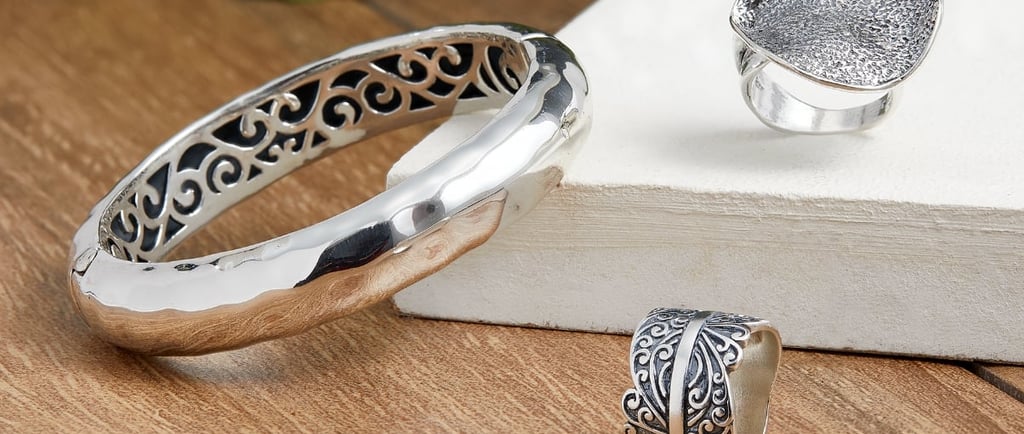
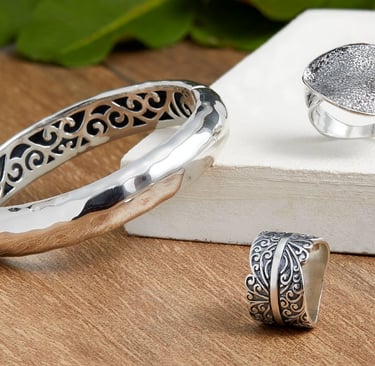
Oxidised silver, known for its darkened, vintage appearance, has gained substantial popularity among consumers looking for pieces that reflect individuality and artistic expression. This finish involves the intentional tarnishing of silver, often through a process that enhances its allure and depth. Jewelry crafted from oxidised silver often showcases intricate designs, making it particularly appealing to those who appreciate unique, handcrafted items.
The demand for oxidised silver can be attributed to its association with bohemian and vintage styles—trends that resonate strongly with the youthful and creative segments of the market. As European consumers increasingly seek out pieces that tell a story or convey an emotional connection, oxidised silver stands out as a compelling choice.
High Polish: The Classic Elegance
In contrast, high polish silver showcases a sleek, reflective finish that exudes classic elegance and sophistication. This style appeals to a more traditional consumer base, often favored for its ability to complement a wide range of attire, from formal occasions to everyday wear. The reflective nature of high polish silver enhances its visual appeal, capturing light beautifully and making the pieces incredibly eye-catching.
Retailers may find that high polish silver often outpaces oxidised silver in sales, particularly within segments that prioritize timelessness and versatility in their jewelry collections. The clean lines and smooth finishes of high polish pieces tend to attract consumers seeking simplicity and modern aesthetics. This finish has been a staple in the market for decades, and its enduring popularity is likely to continue.
Market Trends and Consumer Preferences
While both oxidised silver and high polish silver have their distinct markets, recent trends indicate a growing appreciation for both styles. European consumers are increasingly making purchasing decisions based on personal taste rather than traditional norms. This shift represents an exciting opportunity for retailers to diversify their offerings, catering to both audiences by incorporating a blend of oxidised and high polish pieces in their collections.
In conclusion, the choice between oxidised silver and high polish in the European jewelry market ultimately hinges on the evolving preferences of consumers. Retailers and manufacturers must stay attuned to these trends and recognize that both finishes have significant market potential. By balancing the charm and uniqueness of oxidised silver with the timeless elegance of high polish, businesses can position themselves strategically within this vibrant and dynamic sector.
AuVia Jewels.com
We crafts unique, custom-designed jewelry
info@AuViaJewels.com
Sales : (+ 91) 94066 85500
© 2026 All rights reserved
Manufacturing Plant: Kolkata (India)
office : (+ 91) 70000 73033




Overseas office: Dusseldorf (Germany)