Custom Jewelry Manufacturer & Exporter – We Manufacture Any Jewelry Design in Sterling Silver (925), Any Lower Silver Purity, or Base Metal for Fashion Jewelry

Exploring Opportunities in the European Private Label Jewellery Market
4/11/20262 min read

Introduction to Private Label Jewellery
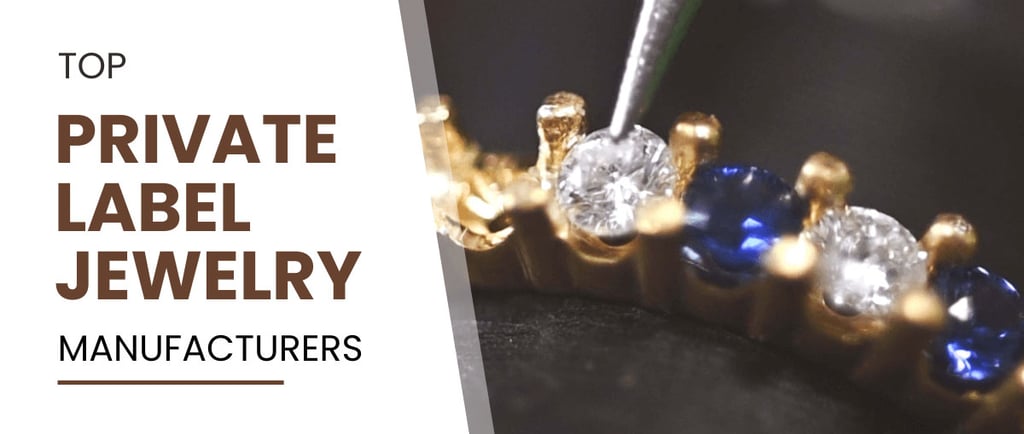
Private label jewellery represents an exciting segment in the global accessories market. This business model provides retailers the freedom to offer unique designs that are not found elsewhere in the market, allowing for enhanced brand identity and customer loyalty. Within the European market, the demand for personalized and exclusive products has seen a significant rise, paving the way for opportunities that both emerging and established brands can capitalize on.
Market Trends Shaping the European Landscape
In recent years, European consumers have developed a taste for high-quality and innovative jewellery options. Factors driving the demand for private label jewellery include a growing inclination towards customization, sustainability, and ethical sourcing. As consumers increasingly seek unique pieces that resonate with their personal values, brands that adopt the private label approach are well-positioned to satisfy these desires.
Moreover, the European market has been undergoing a shift towards e-commerce, particularly in the jewellery sector. This transformation offers brands the chance to embark on direct-to-consumer strategies, reducing reliance on traditional retail channels and allowing for greater profit margins. By engaging with customers online and providing tailored experiences, private label jewellery brands can thrive in this dynamic market.
Strategies for Success in the Private Label Sector
To successfully tap into the burgeoning opportunities in the European private label jewellery market, brands must adopt several key strategies. First, investing in high-quality materials is essential to ensure that the final product stands out in a competitive landscape. Additionally, collaborating with skilled designers can help create distinctive offerings that appeal to the target demographic.
Furthermore, building a strong online presence through effective digital marketing strategies is crucial. Leveraging social media platforms and influencer partnerships allows brands to showcase their unique jewellery collections while engaging directly with consumers. Facilitating online reviews and customer feedback will help build trust and loyalty, driving repeat purchases and word-of-mouth referrals.
Last but not least, fostering relationships with suppliers and logistics partners can streamline operations, enabling brands to launch new collections swiftly and respond to market trends in real-time. By prioritizing agility and customer satisfaction, private label jewellery businesses can secure a strong foothold in the European market.
Conclusion
As the European consumer landscape continues to evolve, the opportunities in private label jewellery are likely to expand further. Brands willing to embrace innovation, prioritize quality, and engage meaningfully with their audience stand to benefit considerably. With careful planning and strategic execution, private label jewellery can be a lucrative venture in today’s competitive market.
AuVia Jewels.com
We crafts unique, custom-designed jewelry
info@AuViaJewels.com
Sales : (+ 91) 94066 85500
© 2026 All rights reserved
Manufacturing Plant: Kolkata (India)
office : (+ 91) 70000 73033




Overseas office: Dusseldorf (Germany)