Custom Jewelry Manufacturer & Exporter – We Manufacture Any Jewelry Design in Sterling Silver (925), Any Lower Silver Purity, or Base Metal for Fashion Jewelry

The Allure of Handmade and Modern Designs for European Customers
3/28/20262 min read
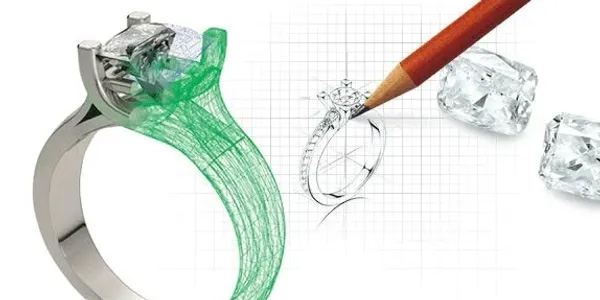
Introduction to Handmade Modern Designs
In recent years, there has been a noteworthy shift in consumer preferences among European customers, with a marked appreciation for handmade and modern designs. These products encapsulate a unique blend of craftsmanship and contemporary aesthetics that resonate deeply with buyers seeking authenticity and individuality. In this blog, we will explore the reasons behind this growing trend and its implications for the market.
The Value of Craftsmanship
One of the primary attractions for European consumers is the high value placed on craftsmanship inherent in handmade designs. Unlike mass-produced items, each piece tells a story, often reflecting the artist's personal touch and passion. This element of uniqueness adds an emotional connection to the product, making it more desirable. Furthermore, customers are increasingly interested in the origins of the products they purchase; they seek transparency in sourcing and production methods, which handmade goods typically provide.
Modern Aesthetics Meets Sustainability
Sustainability is another critical driver steering European customers toward handmade modern designs. Many artisans prioritize eco-friendly materials and ethical production processes, appealing to a demographic sensitive to environmental issues. The contemporary design trends that are often integrated into these products combine minimalism with functionality, aligning perfectly with the modern consumer's lifestyle. This fusion not only enhances the aesthetic appeal but also ensures that the items are practical and versatile.
A Community of Support
European customers are increasingly supporting local artisans and small businesses. This support stems from a desire to foster community engagements and ensure economic sustainability in their regions. By choosing handmade items, consumers are taking a stand against the often impersonal nature of global retail giants and are instead championing individuality and local craftsmanship. This shift has fostered a sense of community among buyers, connecting them to the artisans who create the products they love.
Conclusion: The Future of Handcrafted Goods
As the global market continues to evolve, the love for handmade yet modern designs among European customers is likely to grow. The combination of personalization, sustainability, and community support presents a compelling case for both artisans and consumers. By embracing these unique and thoughtful designs, European consumers not only enrich their own lives but also contribute to a thriving, responsible marketplace that values art and craftsmanship.
AuVia Jewels.com
We crafts unique, custom-designed jewelry
info@AuViaJewels.com
Sales : (+ 91) 94066 85500
© 2026 All rights reserved

Manufacturing Plant: Kolkata (India)
office : (+ 91) 70000 73033




Overseas office: Dusseldorf (Germany)