Custom Jewelry Manufacturer & Exporter – We Manufacture Any Jewelry Design in Sterling Silver (925), Any Lower Silver Purity, or Base Metal for Fashion Jewelry

Understanding European Preferences: Gold Vermeil vs Sterling Silver
3/16/20262 min read
Introduction to Gold Vermeil and Sterling Silver
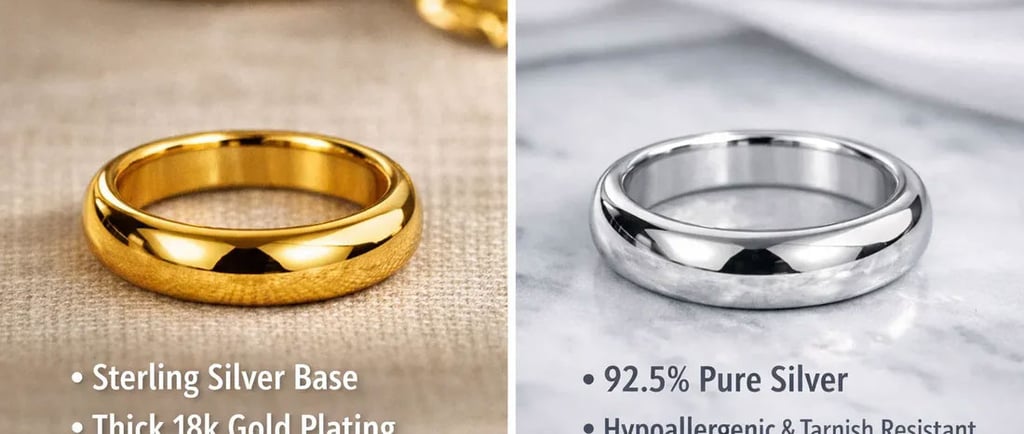
The world of jewelry offers a vast array of materials, but two of the most popular choices among European buyers are gold vermeil and sterling silver. Each of these materials is appreciated for its unique properties and aesthetic appeal, yet they cater to different tastes and preferences. This blog post aims to explore the characteristics of gold vermeil and sterling silver, ultimately clarifying what European buyers may prefer.
Defining Gold Vermeil
Gold vermeil is a metal that consists of a base of sterling silver, topped with a layer of gold through a process known as electroplating. For a piece to be classified as gold vermeil, it must have a minimum gold weight of 2.5 microns, which provides a durable layer of gold that does not wear off easily. The appearance of gold vermeil is often warm and luxurious, making it an attractive option for individuals seeking jewelry that radiates elegance.
The Appeal of Sterling Silver
Sterling silver, on the other hand, is a precious metal that contains 92.5% silver mixed with other metals, primarily copper, to enhance its durability. Its bright, shiny surface and versatile appeal make sterling silver a favorite choice among jewelry enthusiasts. Moreover, sterling silver is often more affordable than its gold vermeil counterpart, allowing buyers to purchase pieces that fit their budgets without sacrificing quality.
What Do European Buyers Prefer?
When considering European buyers' preferences between gold vermeil and sterling silver, there are several factors that come into play. Cultural influences, individual taste, and trends in the fashion industry significantly impact purchasing decisions. Countries with a strong affinity for gold, such as Italy and Spain, tend to lean towards gold vermeil options for their jewelry. The renowned Italian craftsmanship in creating gold vermeil pieces contributes to this preference, as buyers appreciate the artistry involved.
Conversely, in countries like Sweden and Finland, where minimalist and clean designs are favored, sterling silver is often the material of choice. The simplicity and modernity of sterling silver jewelry align well with Scandinavian aesthetics, leading to its popularity in these regions. Additionally, sterling silver is viewed as a more sustainable option, especially as consumers become increasingly conscious of ethical sourcing and production methods.
Ultimately, the choice between gold vermeil and sterling silver will depend on personal style, budget considerations, and cultural influences. European buyers exhibit a diverse array of preferences, but both materials offer unique benefits that cater to different lifestyles and tastes.
Conclusion
In summary, understanding the nuances between gold vermeil and sterling silver is essential for European buyers navigating the jewelry market. Each material brings a different aesthetic and value, appealing to distinct audiences. Whether one chooses the luxurious allure of gold vermeil or the timeless quality of sterling silver, both options provide a beautiful complement to any jewelry collection.
AuVia Jewels.com
We crafts unique, custom-designed jewelry
info@AuViaJewels.com
Sales : (+ 91) 94066 85500
© 2026 All rights reserved
Manufacturing Plant: Kolkata (India)
office : (+ 91) 70000 73033




Overseas office: Dusseldorf (Germany)