Custom Jewelry Manufacturer & Exporter – We Manufacture Any Jewelry Design in Sterling Silver (925), Any Lower Silver Purity, or Base Metal for Fashion Jewelry

From India to Europe: The Journey of Fine Silver Craftsmanship
3/13/20262 min read
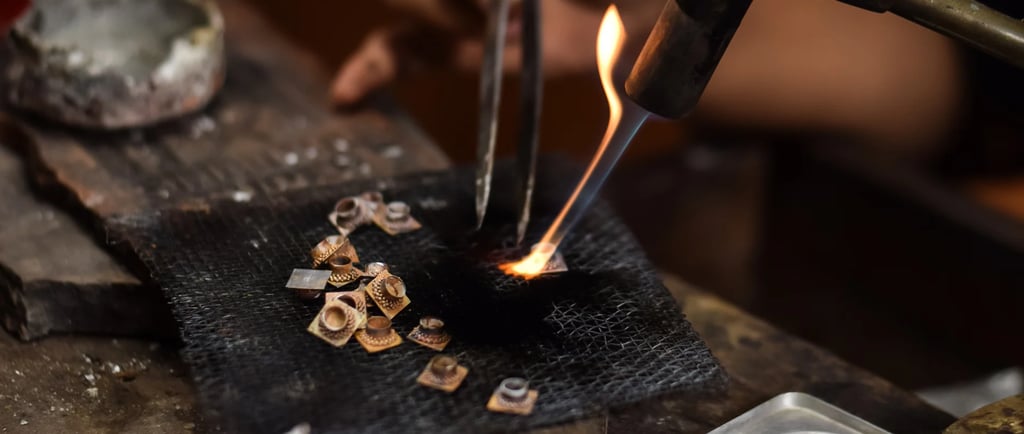

Introduction to Silver Craftsmanship
Fine silver craftsmanship has a rich heritage, deeply rooted in cultural traditions across various regions. In India, this art form has flourished for centuries, tracing back to ancient times when artisans honed their skills to produce intricate silver jewelry and decorative pieces. As the world became more interconnected, the journey of these exquisite creations from India to Europe began, influencing and enhancing the artistic landscape in both regions.
The Rich History of Indian Silver Craftsmanship
Indian silver craftsmanship stands as a testament to the country’s rich heritage and artistry. Various regions, such as Rajasthan and Gujarat, are known for their unique styles that reflect local traditions and customs. For instance, Rajasthani artisans are celebrated for their detailed engravings and use of mystical motifs, while Gujarati craftsmen excel in mirror work and colorful embellishments. However, the techniques employed in these creations are not merely artistic expressions; they are historical narratives that showcase the cultural essence of India.
The Transition to Europe: Cultural Exchange and Influence
The shift of Indian fine silver craftsmanship to Europe began with trade routes established during the colonial period. European traders were captivated by the intricate designs and craftsmanship of Indian silver. It was during this time that silver objects transitioned from being mere functional items to sought-after art pieces. This cross-cultural exchange between India and Europe led to the adaptation and incorporation of Indian aesthetic values into European art forms.
Notably, many European jewelers adopted Indian silver techniques, integrating them into contemporary designs while retaining their unique cultural flair. This collaboration not only enhanced European luxury markets but also allowed Indian artisans to gain recognition in the global crafts arena.
The Modern Era of Fine Silver Craftsmanship
In the contemporary context, the journey of silver craftsmanship from India to Europe continues to evolve. With the advent of technology and global connectivity, artisanal practices have been revitalized. Today’s artisans are blending traditional skills with modern design sensibilities, thus appealing to a global audience while preserving their cultural legacy.
Furthermore, art exhibitions and trade fairs across Europe often showcase Indian silver crafts, fostering appreciation for this exquisite art form. Such platforms enable artisans to share their stories, techniques, and the rich heritage behind their creations, further bridging the cultural divide.
Conclusion: A Testament to Artistic Resilience
The journey of fine silver craftsmanship from India to Europe is not just a tale of trade but a celebration of artistry and cultural exchange. It illustrates how craftsmanship can transcend geographical boundaries, creating a collective appreciation for beauty and tradition. As these artisans continue to innovate and inspire, the timeless art of silver craftsmanship promises to flourish, enriching the artistic tapestry of both India and Europe for generations to come.
AuVia Jewels.com
We crafts unique, custom-designed jewelry
info@AuViaJewels.com
Sales : (+ 91) 94066 85500
© 2026 All rights reserved
Manufacturing Plant: Kolkata (India)
office : (+ 91) 70000 73033




Overseas office: Dusseldorf (Germany)