Custom Jewelry Manufacturer & Exporter – We Manufacture Any Jewelry Design in Sterling Silver (925), Any Lower Silver Purity, or Base Metal for Fashion Jewelry

The Rise of Sustainable and Ethical Jewellery in Europe
3/4/20262 min read

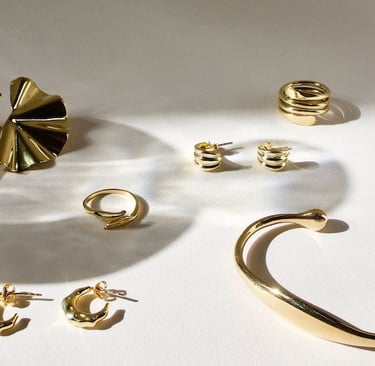
Introduction
The landscape of the jewellery industry in Europe is undergoing a significant transformation, marked by a growing emphasis on sustainability and ethical practices. Consumers are increasingly aware of the environmental and social implications of their purchases, leading to a shift in preferences towards jewellery that reflects these values. This rise in sustainable and ethical jewellery is not just a trend; it is becoming a fundamental expectation among discerning shoppers.
The Evolution of Consumer Preferences
In recent years, awareness around environmental issues and ethical sourcing has intensified across Europe. Reports indicate that a substantial number of consumers now consider sustainability as a non-negotiable factor when purchasing jewellery. This shift is evident across various demographics, with younger generations leading the charge. They prioritize brands that demonstrate a commitment to fair trade practices, responsibly sourced materials, and eco-friendly production methods.
Moreover, the rise of social media has further amplified this trend, allowing consumers to share their values and discoveries with a broader audience. As they advocate for ethical choices, the demand for transparency in supply chains has surged. Consumers are eager to learn about where their jewellery comes from and the ethics behind its creation.
Key Players in the Ethical Jewellery Movement
Several jewellers in Europe have embraced this new ethos, pioneering the sustainable jewellery movement. These brands often focus on using recycled metals and ethically sourced gemstones, ensuring their products are not only beautiful but also environmentally friendly. By implementing sustainable practices, these companies cater to the philosophies of conscientious consumers, offering pieces that tell a story of care and responsibility.
Additionally, numerous certifications have emerged to help consumers identify brands that adhere to ethical standards. Certifications such as Fair Trade, Responsible Jewellery Council (RJC), and others provide reassurance that brands are genuinely committed to ethical sourcing and production practices. This certification process serves as a benchmark for quality assurance, building trust between brands and their clientele.
The Future of Ethical and Sustainable Jewellery
Looking ahead, the trend of sustainable and ethical jewellery in Europe is set to continue its upward trajectory. With impending regulations aimed at promoting sustainability across all industries, jewellery brands that fail to adapt may risk falling behind. Innovation will play a crucial role, from new sustainable materials to pioneering recycling techniques. As the industry evolves, a harmonious balance between elegance and responsibility will define the future of jewellery.
In conclusion, the rise of sustainable and ethical jewellery in Europe reflects a broader shift towards mindful consumption. As consumers increasingly seek authenticity and integrity in their choices, the jewellery sector must continue to innovate and uphold ethical standards. This movement not only serves the planet but enriches the consumer experience, ensuring that every purchase made reflects personal values and aspirations.
AuVia Jewels.com
We crafts unique, custom-designed jewelry
info@AuViaJewels.com
Sales : (+ 91) 94066 85500
© 2026 All rights reserved
Manufacturing Plant: Kolkata (India)
office : (+ 91) 70000 73033




Overseas office: Dusseldorf (Germany)